


Why a seal in the River Dee isn’t as unusual as it seems
By Dherran Titherington 8th Apr 2026
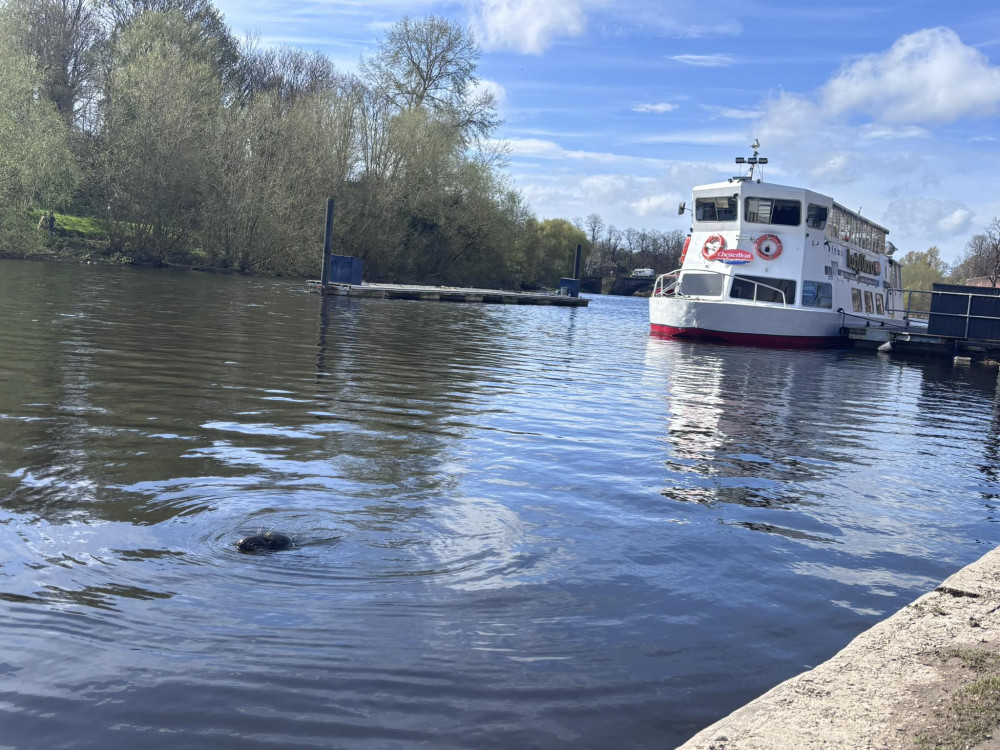


A grey seal was spotted in the River Dee at The Groves last weekend. The sight surprised onlookers, but experts say it isn't as unusual as it might seem.
Grey seals are known to frequent the Dee estuary, and these curious animals - along with the occasional dolphin - sometimes venture further upstream, exploring the river's tidal stretches in search of food or shelter.
"It's not as unusual as you might think," said Emily Lake, Communications and Marketing Officer at Cheshire Wildlife Trust. "We have seen grey seals within what we would class as the River Dee previously.
"Animals are curious; they like to explore and check out feeding opportunities, so it's not uncommon for them to go off track a bit and venture beyond what we would consider their normal areas and habitats."
Seals can sometimes swim upriver into the tidal and brackish stretches of the River Dee, where food is plentiful, though obstacles like weirs and locks can limit how far inland they travel.
Emily explained that this is why sightings further upriver are relatively rare.
She said: "I would say it's probably unlikely for them to go much further up, mainly due to obstacles, but also food. Traditionally they would hunt and feed in more open water. But because the River Dee is tidal, it gives them that kind of brackish, slightly salty water.
"They know the fish assemblage is still good up there, so they've got the space and the food to travel up probably that far."
Download our Nub News App!
- It’s FREE and available now- Breaking news notifications
- Your Town in Your Pocket


The River Dee has more than enough fish to sustain visiting seals, Emily explained, stating that restoration work and fish monitoring ensure a healthy food supply along the estuary.
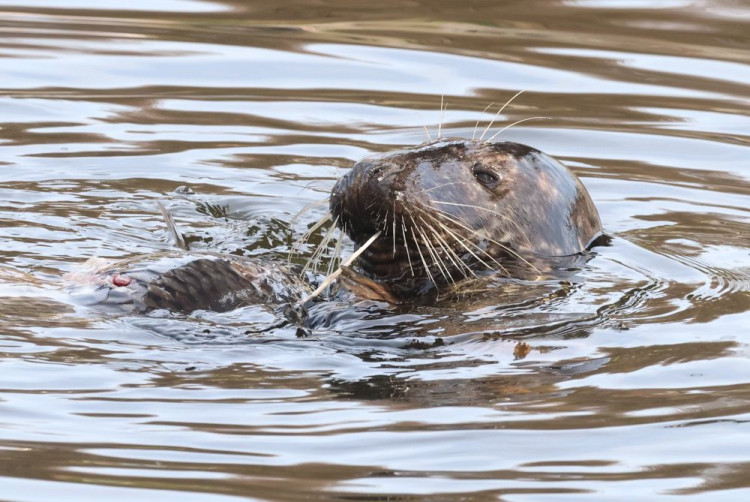
She added that ongoing work by the Welsh Dee Trust has improved fish passage throughout the estuary, allowing both salmon and other species to thrive -providing ample food for any seals venturing upriver.
According to Emily, the presence of a seal is a positive sign for the local ecosystem, with seals typically only entering areas that meet their needs for food, water quality, and safety from disturbance.
"A seal is not going to go somewhere that isn't satisfying all of its needs," she said.
"The fact that people in Chester are often quite respectful of the river means the wildlife feels comfortable going into those areas. That's great because we all love to see the wildlife and we want those sightings - as long as we do the right thing and don't disturb it."
While challenges like water pollution in the River Dee remain, she still considers the sightings to be a "good indication" that the river's ecosystem is functioning well.
"Seals are a top predator," Emily added. "It's a good sign that an apex predator, something at the top of the food chain, is travelling into those areas.

"The fact that it's exploring those areas means that there is potential for them to feed and interact with that part of the river. "
Emily also highlighted the importance of observing seals safely and reporting sightings. She urged anyone encountering a seal to never approach it and to keep other animals, especially dogs, away, noting that seals' sharp teeth can deliver a painful bite if threatened.
"My two things are don't approach it, because you don't want to make it worse and you don't want to put yourself at risk. And especially if you've got a dog, make sure you keep other animals away from it," she said.
She added that the British Divers Marine Life Rescue can be contacted to assess and, if necessary, rehabilitate the animal, as their trained crews have the expertise and facilities to ensure the seal's safety.
Underscoring the role of local residents in conservation, Emily stressed that reporting sightings is vital.
"Absolutely report any sightings - all that information is incredibly valuable to all of us working in the natural world," she said. Future sightings can be submitted to Record, the local environmental records centre for Cheshire, Halton, Warrington, and Wirral.
She also noted that residents can contribute to the 'City Nature Challenge' from 24 to 27 April, using the iNaturalist app to help track wildlife in Chester and the surrounding area, turning everyday encounters into meaningful conservation data.
Download our Nub News App:
- It’s FREE and available now
- Breaking news notifications
- Your Town in Your Pocket
Share: