


Chester Zoo boss opposes Peak Cluster pipeline over environmental concerns
By Dherran Titherington 20th Aug 2026
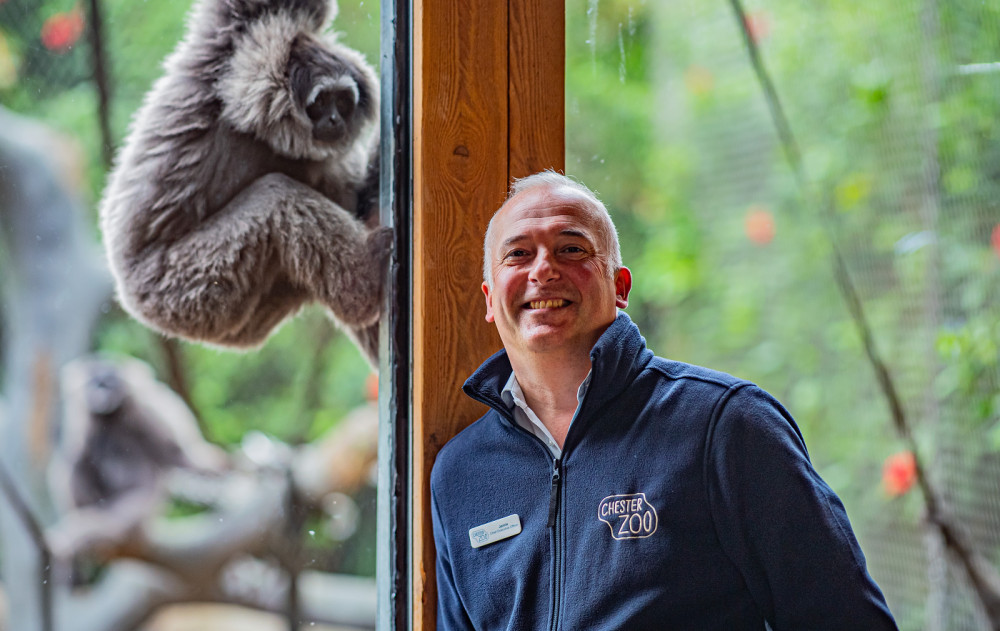


Chester Zoo chief executive James Christon has described the proposed Peak Cluster pipeline's impact on the region's habitats as "unacceptable".
Beyond its main zoo site, Chester Zoo oversees 470 acres dedicated to conservation and habitat recovery.
Christon told the BBC that the proposed route of the Peak Cluster carbon capture project could threaten the zoo's conservation work, saying it "would rip through our fields and jeopardise environmentally sensitive habitats", including "irreplaceable wetland habitats that support wildlife and store carbon".
Peak Cluster is a proposed carbon capture and storage scheme which aims to transport carbon dioxide captured from four cement and lime producers in Derbyshire and Staffordshire.
The planned underground pipeline would run for around 120 to 125 miles through Derbyshire, Staffordshire, Cheshire and Wirral before carrying the captured carbon dioxide offshore for permanent storage beneath the Irish Sea.
Supporters say carbon capture and storage could help reduce emissions from energy-intensive industries and contribute to wider climate targets.
At a full council meeting in May, Cheshire West and Chester councillors agreed to oppose the proposals in their current form.
Councillors agreed to write to ministers raising concerns about the potential environmental impact, the consultation process and the effect of the project on local communities.
Download our Nub News App!
- It’s FREE and available now- Breaking news notifications
- Your Town in Your Pocket


The decision followed calls from councillors and campaigners for more information about the pipeline's impact and what benefits, if any, would be delivered to affected communities.
Christon told the BBC that Chester Zoo first wrote to Peak Cluster in March outlining concerns about the proposed route.
Zoo representatives then met with the project team in May and asked for the proposals to be reconsidered. Since then, Christon said he had not had further contact with Peak Cluster.
While recognising the progress being made on low-carbon infrastructure, Christon said there was a distinction between necessary development and "bad development" which causes environmental damage to "irreplaceable habitats and ecosystems".
Speaking to the BBC, he said: "Once it's gone, it's gone forever. The decarbonising industry should not come at the expense of nature.
"We believe the regional environmental impacts of the Peak Cluster pipeline, as proposed, are unacceptable."
He called on Peak Cluster to "come to the table" and engage with the zoo, their "neighbours on the Wirral", and others working to "protect wildlife across the region".
Peak Cluster chief executive David Parkin said the organisation had remained in contact with Chester Zoo since May, including to carry out ecology surveys on the zoo's land.

Parkin also told the BBC that the project team had explained its design process to the zoo and discussed possible options with its representatives.
He said: "We remain committed to working with Chester Zoo to address their concerns as far as possible."
He also cited a review of over 5,500 pieces of consultation feedback conducted over recent months. Parkin said this, alongside "study data from Chester Zoo's land", would "inform the project's development" and evaluation of" potential location options for the pipeline".
"When we reach the stage of an update on the project, we will ensure stakeholders and the public who took part in the consultation are informed," he said.
The Peak Cluster project still requires final approval.
As a nationally significant infrastructure project, Cheshire West and Chester Council does not have the power to approve or reject the scheme directly.
Instead, councils and other organisations can submit representations to the Planning Inspectorate, which will examine the application before a final decision is made by the government.
Download our Nub News App:
- It’s FREE and available now
- Breaking news notifications
- Your Town in Your Pocket
Share: