

Chester Zoo's endangered 'Dracula' orchids earn national status
By Dherran Titherington 29th Oct 2026
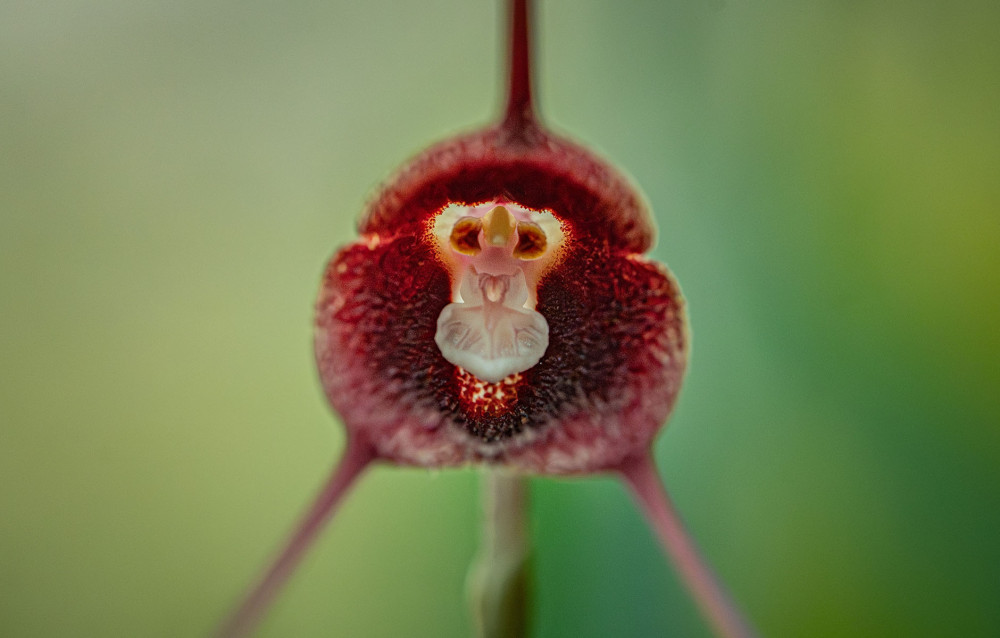


A collection of rare Dracula orchids at Chester Zoo has been recognised by Plant Heritage.
The zoo cares for more than half of the 147 scientifically recognised species of Dracula orchid, which, despite their spooky name, are harmless to humans.
Now, for the sixth time, Chester Zoo has been named the official holder of a National Plant Collection, a registered and documented collection of cultivated plants.
In this case, the zoo's group of highly endangered Dracula orchids are in the spotlight, with the zoo's horticulturists highlighting the threats they face, from habitat loss to illegal extraction.
Dracula orchids come from the cloud forests of the Andes in Latin America. As well as their colourful 'costumes', they can also disguise their smell.
Some species give off a mushroom-like odour to attract fungus gnats which carry pollen from plant to plant, fertilising the orchids.
Brie Langley, assistant team manager for the zoo's plant nursery, added: "We look after more than 75 of the 147 scientifically recognised species of Dracula orchids, and every one of the plants we look after is threatened by illegal extraction, habitat loss or illicit mining.
"They are difficult to display because they want to be in a cloud, so they quickly wilt if conditions are not right. But people can see ultra rare cacti and Nepenthes in the Plant Project."
Download our Nub News App!
- It’s FREE and available now- Breaking news notifications
- Your Town in Your Pocket


The Dracula orchids are not currently on public display, but plants from the zoo's five other National Collections are on show.
Gwen Hines, CEO of Plant Heritage, said the organisation was thrilled to award Chester Zoo their sixth National Plant Collection® this autumn.
She said: "It's a wonderful reminder of the amazing plant conservation work that is going on at the zoo and we're excited to hear about their upcoming projects.
"At Plant Heritage we're focused on protecting our much-loved plants for future generations, so we hope that visitors to the zoo will take a moment to admire the horticultural achievements at the zoo alongside the animals that also call the zoo home."
Download our Nub News App:
- It’s FREE and available now
- Breaking news notifications
- Your Town in Your Pocket
Share: