


Chester research could save critically endangered doves from extinction
By Dherran Titherington 28th Jan 2026
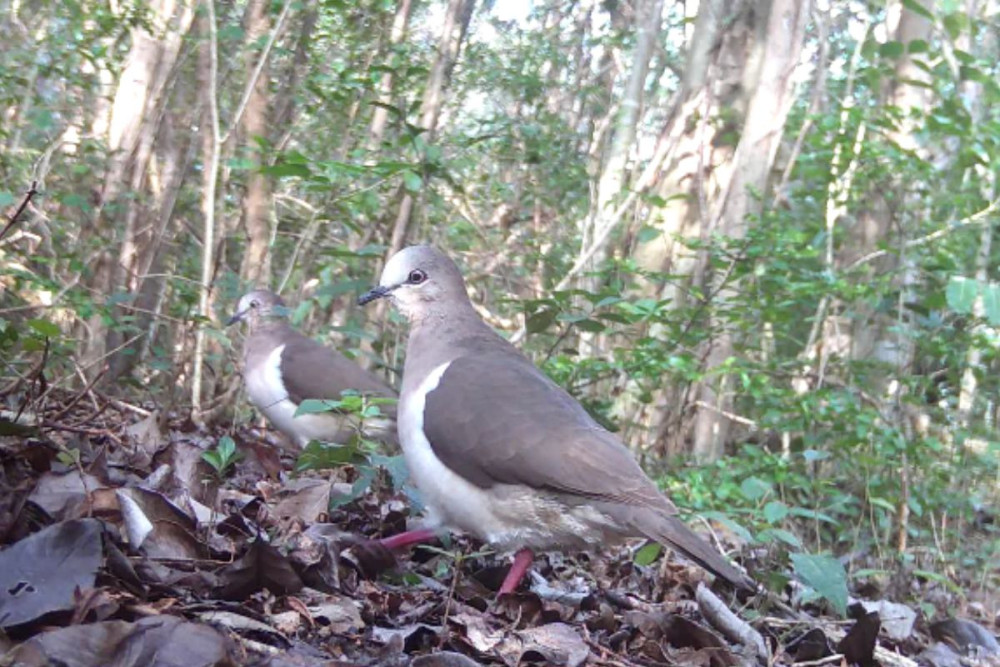


One of the world's rarest birds is the focus of a University of Chester research team working to save the species from extinction.
It is estimated that there is just 160 mature Grenada Doves remaining.
Exclusive only to the Caribbean island of Grenada, the dove faces multiple threats to its survival - including habitat loss, invasive predators, disease and hurricane-related population declines.
Helping to conserve one of the world's most threatened bird species are researchers Dr Wise, Dr Matt Geary and Dr Lottie Hosie.
The team has recently published a new study assessing the extinction risk of the two remaining populations of Grenada Dove, and have evaluated the effectiveness of proposed conservation actions.
The first of its kind for the Grenada Dove, the research draws on field data, long-term population counts, and information from closely related species.
Key findings revealed the west population of the dove has a 100% probability of extinction within an average of 19.2 years. It also outlined how the Southwest population has a 91.3% probability of extinction within 50 years, and that extinction risk increases significantly under scenarios involving tourist development, disease transmission, and unbalanced sex ratios.
The PVA highlighted the lack of data available for this species, so Dr Wise and Dr Geary applied for funding to collect some of the missing data, using camera traps and conducting territory surveys.
Download our Nub News App!
- It’s FREE and available now- Breaking news notifications
- Your Town in Your Pocket


The team was subsequently awarded a $12,000 grant from the Toledo Zoo in Ohio, USA and the IUCN Pigeon and Dove Specialist Group to investigate Grenada Dove territories and predator prevalence.
The study had shown camera traps and conducting territory surveys across its two known areas of occupancy, with the preliminary findings both promising and concerning.
Grenada Doves were detected at both sites, with one site at Mount Hartman showing a significantly higher detection probability, but the study also revealed widespread presence of invasive predators such as opossums, mongooses and feral dogs.
Researchers also warned the proximity of one site to an expanding landfill posed a direct threat to the dove's habitat.
"Urgent action is needed to protect the Grenada Dove and prevent its extinction," said Dr Wise.
"It has been a privilege to work on such a rare species and contribute to the management plan which will hopefully secure its survival into the future.
"Our research underscores the pressing need for demographic and genetic monitoring and supports the recommendations of the Species Recovery Plan, which includes predator control, habitat management, and establishing captive breeding."
Download our Nub News App:
- It’s FREE and available now
- Breaking news notifications
- Your Town in Your Pocket
Share: